
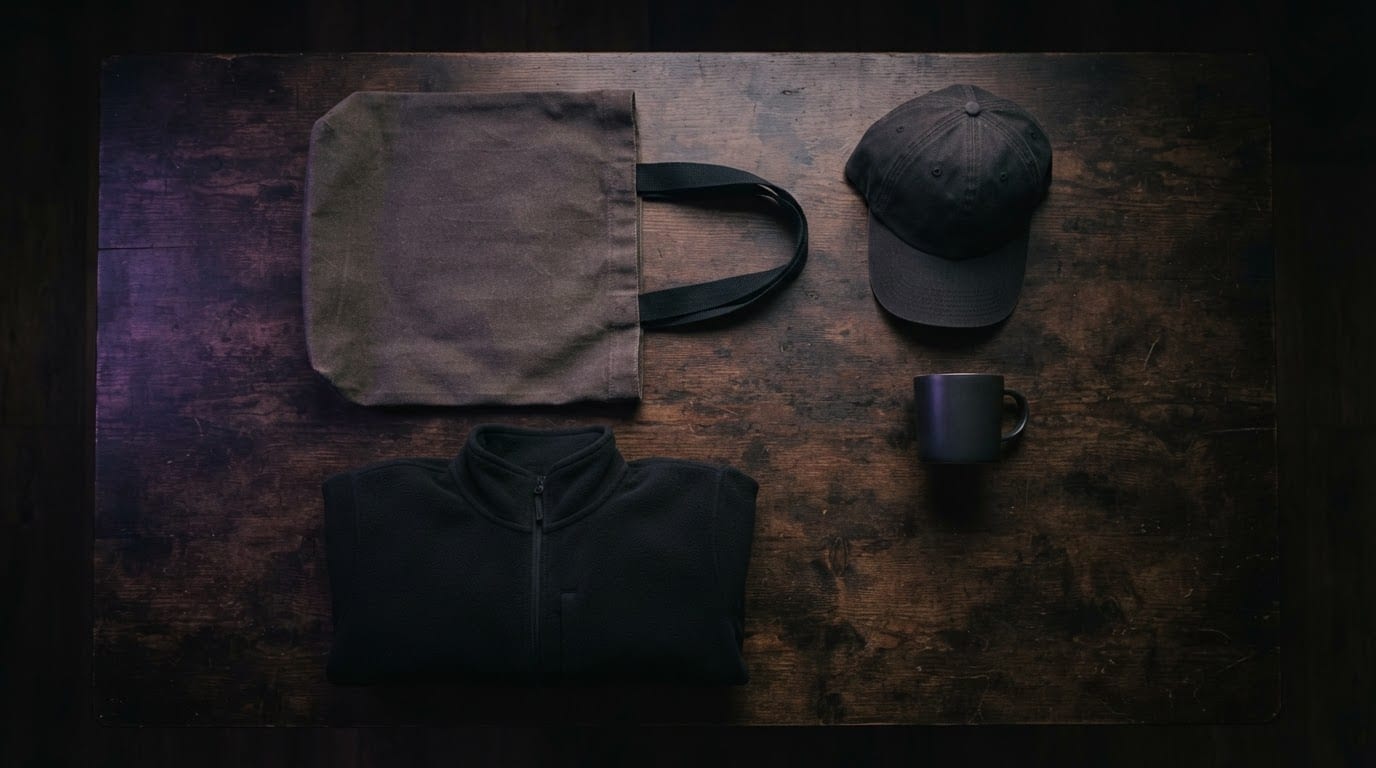
Making merchandise for events, pop-ups, and product launches has become a standard part of marketing. Yet when it comes to choosing items, decisions are often based on “what everyone’s doing lately” or “what fits the unit price.” Merchandise made that way is welcome when received, but it easily ends up in a drawer or the recycling bin a few days later.
The real impact of merchandise comes not on the day it’s handed out, but for as long as the recipient keeps using it. Based on the advertising impressions study published in 2026 by ASI (Advertising Specialty Institute), a U.S. promotional products industry organization, this article lays out five criteria for choosing merchandise that lasts, along with a pre-production checklist.
1. ‘Usefulness’ determines how long it’s kept
ASI’s 「2026 Global Advertising Impressions Study」, published in 2026, surveyed about 5,000 consumers in the U.S., Canada, Mexico, and Europe. In the U.S. results, 78% said they keep promotional products ‘because they’re useful,’ and ASI identified usefulness as the biggest factor in whether an item is kept.
In particular, umbrellas, household goods, health and safety products, and tech accessories such as USB drives and power banks had above-average rates of ‘kept because it’s useful.’ In the same study, 85% of respondents said they remember the advertiser that gave them a promotional product. In the end, the merchandise that sticks around is not the flashiest design but what people reach for often in daily life.
So the first question in an item meeting should be not “What looks nice?” but “When, where, and how often will the recipient use this?” The starting point is to pick one specific usage scene, such as the commute, the desk, the kitchen, or a workout, and choose an item that fits naturally into it.

2. Compare by ‘cost per impression,’ not unit price
When looking at a merchandise budget, it’s easy to compare only the unit price. ASI calculated impressions per item as retention period × frequency of use × number of people encountered during use, and compared this to production cost to get cost per impression (CPI). In other words, even an expensive item can have a lower cost per impression if it’s used for a long time, often, and in front of people.
| Category (U.S. results) | Figures from the study |
|---|---|
| Average across all promotional products | About $0.006 per impression, about 3,300 impressions over its lifetime |
| $6 tote bag | About 5,000 impressions, about $0.001 per impression |
| $13 baseball cap | About $0.003 per impression |
| Outerwear such as fleece and jackets | About 9,000 impressions, under $0.005 per impression |
As the table shows, items that are carried around and seen by others, like tote bags, and items worn for a long time, like outerwear, deliver good efficiency even at higher unit prices. In practice, simply rating each candidate item high, medium, or low on “How long will it be used, how often, and how many people will see it?” leads to different conclusions than looking at the price list alone.
3. Look at both the most-produced items and the most-wanted items
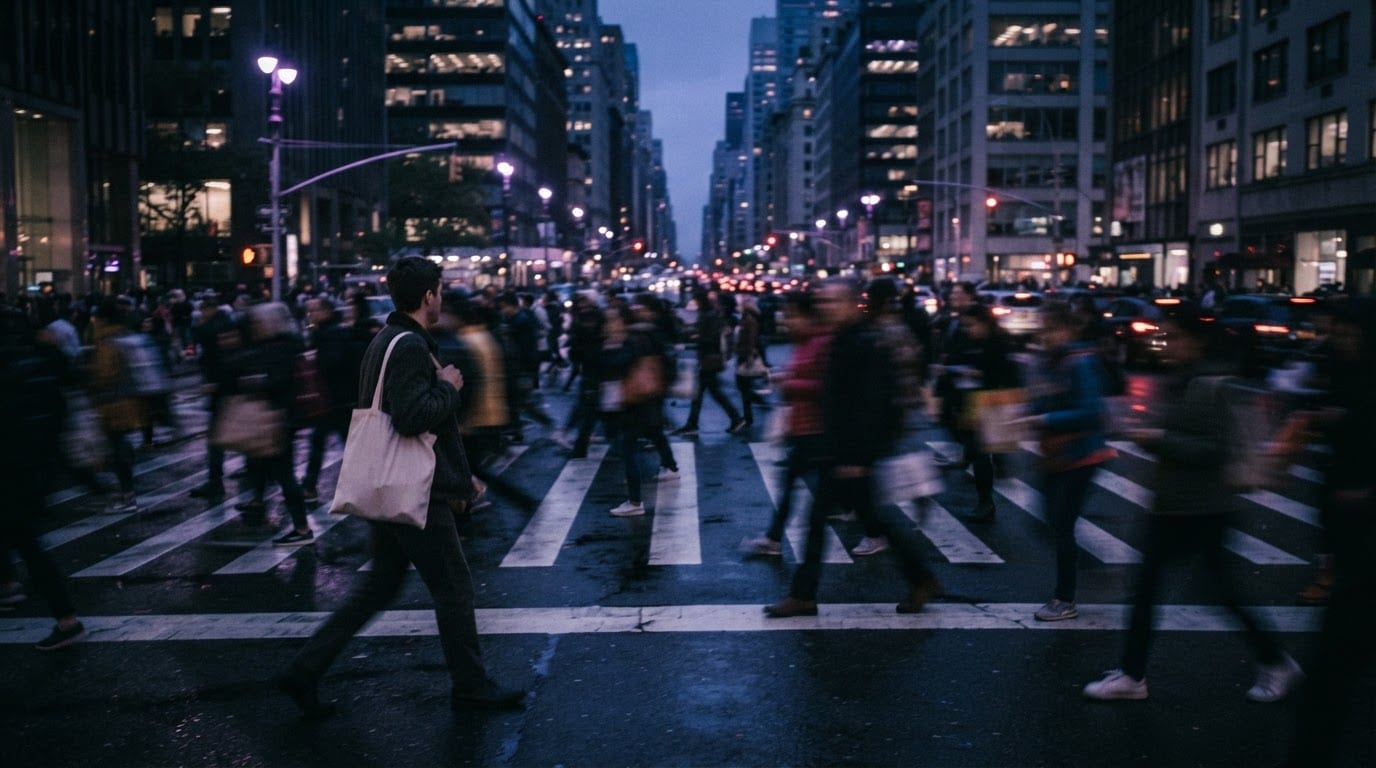
In the same study, the promotional products U.S. consumers were happiest to receive were, in order, T-shirts, fleece and jackets, food gifts, blankets, and bags. ASI noted that T-shirts rank first in both industry sales and consumer demand, while identifying outerwear, food gifts, and blankets as items in short supply relative to consumer demand.
There are two practical takeaways from these results. First, it’s worth adding items with high recipient expectations but relatively low supply to your shortlist, beyond the usual staples. Second, consider the season and occasion. Items that can be used right when they’re received, such as blankets or outerwear for winter events, or food gifts for holidays and year-end, are more likely to be kept.
Applying this in Korea
Rather than following overseas rankings as is, running a short pre-event survey of your customers or attendees, or recording which items ran out fastest at past events, gives you a more accurate benchmark.

4. Prioritize ‘a design people want to keep using’ over the logo
When making merchandise, wanting to put a big logo on it is natural. But impressions accumulate only while the item keeps being used, so the first question is whether the design is something recipients want to carry or wear out in public. Keeping the logo small and expressing the brand through brand colors, patterns, or a short phrase is also a good choice.
Materials and values are part of the design too. The ASI study found a notable increase over the previous study in respondents who view advertisers more favorably when they give promotional products made from sustainable materials or that reflect social values, with bags rated highest for sustainability. If you use eco-friendly materials, it’s a good idea to briefly explain why on a tag or the packaging.
- Logo size: A size that’s comfortable for everyday use, rather than covering the entire front of the item
- Color: Use neutral colors that go with the recipient’s clothes and belongings as the base, with brand colors as accents
- Finish quality: If the print peels quickly or the stitching is weak, the item won’t last long even if it’s useful
- Packaging: Cut down on packaging that will be thrown away, and include only a short note on how to use the item
5. Check safety standards based on the recipient
If the merchandise will go to children, such as at family events or for kids’ brands, check safety standards first. Korea’s 「Special Act on the Safety of Children’s Products」 defines items used by or for children aged 13 and under as ‘children’s products,’ and manages them in categories of Safety Certification, Safety Confirmation, and Supplier’s Declaration of Conformity depending on the level of risk.
Which category an item falls into depends on detailed regulations, so it’s safest to confirm with the manufacturer at the planning stage whether it applies and which certification documents are required. Items that need certification can add testing time to the schedule, so factor that into your delivery timeline.
Pre-production checklist for merchandise
- Can you describe in one sentence the specific scene in which the recipient will use this merchandise?
- Have you compared each candidate item’s retention period, frequency of use, and audience reach as high, medium, or low?
- Is it an item that can be used right away for the event’s timing and season?
- Are the logo size and colors at an ‘okay to use in public’ level?
- Have you checked print, stitching, and finish quality with a sample?
- If the merchandise is for children, have you checked whether it’s subject to safety standards and confirmed the certification documents?
- Have you worked backward from the delivery date, including time for certification and sample checks?
Good merchandise keeps showcasing the brand in the recipient’s daily life long after the event is over. Simply picturing the usage scene before looking at the price list can change the outcome. AVIO handles merchandise and promotional product production from the planning stage, so if you’re struggling to choose items, feel free to reach out for a consultation.
References
- ASI - Promotional Products Deliver Impressions at a Fraction of a Cent, Outrank All Other Ad Channels (2026.04)
- ASI - ASI’s 2026 Ad Impressions Study: 5 Compelling Takeaways (2026.03)
- ASI - ASI’s 2026 Ad Impressions Study: Product Impressions (2026.07)
- Korea Law Information Center - Special Act on the Safety of Children’s Products
If you'd like to plan everything from concept to distribution together, like in this post.
Start a Project