
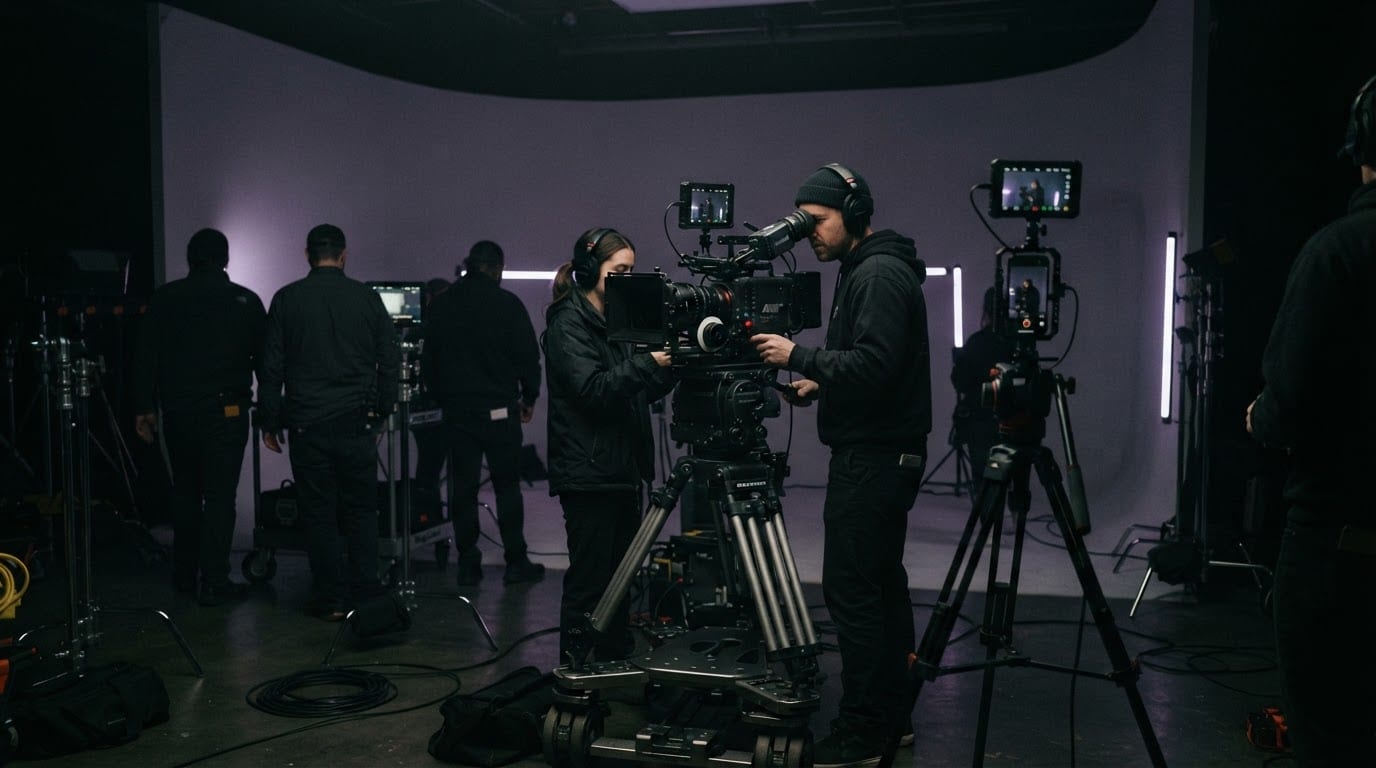
Many brand shoots go like this. The storyboard is built around a single main ad video, and the entire shoot day is spent capturing those shots. Only after delivery does the marketing team ask: “What about vertical videos for Reels? How many ad creatives do we get? What about photos for the product detail page?”
From there, someone digs through leftover footage to crop it to 9:16 and makes thumbnails from low-quality frame grabs. You get deliverables, but they are clearly different from shots captured for that purpose from the start.
The problem is not skill but sequence. Production starts from ‘what should we shoot?’ while marketing starts from ‘where will we show it?’ If the two don’t meet before the shoot, you won’t use even half the value of a shoot day.
1. Draw the ‘distribution map’ before the storyboard
The first page of a shoot planning meeting should be a distribution map, not a storyboard. Start by writing down which channels the content from this shoot will run on over the next 4–6 weeks, in what formats, and how many pieces each.
| Channel | Format | Aspect ratio | Quantity needed (example) |
|---|---|---|---|
| YouTube · Brand website | Main film, 30–60 seconds | 16:9 | 1 |
| Instagram Reels · TikTok | Short-form, around 15 seconds | 9:16 | 4–6 |
| Meta · YouTube ads | Creatives for A/B testing | 1:1 · 4:5 · 9:16 | 6–10 |
| Feed · Product detail page | Still shots | 4:5 · 1:1 | 20+ |
| Offline · Signage | Loop video | Landscape · Vertical | 1–2 |
With this table in hand, priorities on set change. Candidate ‘first 3 seconds’ shots for ad creatives and vertical shots get the same attention as the polish of the main film.
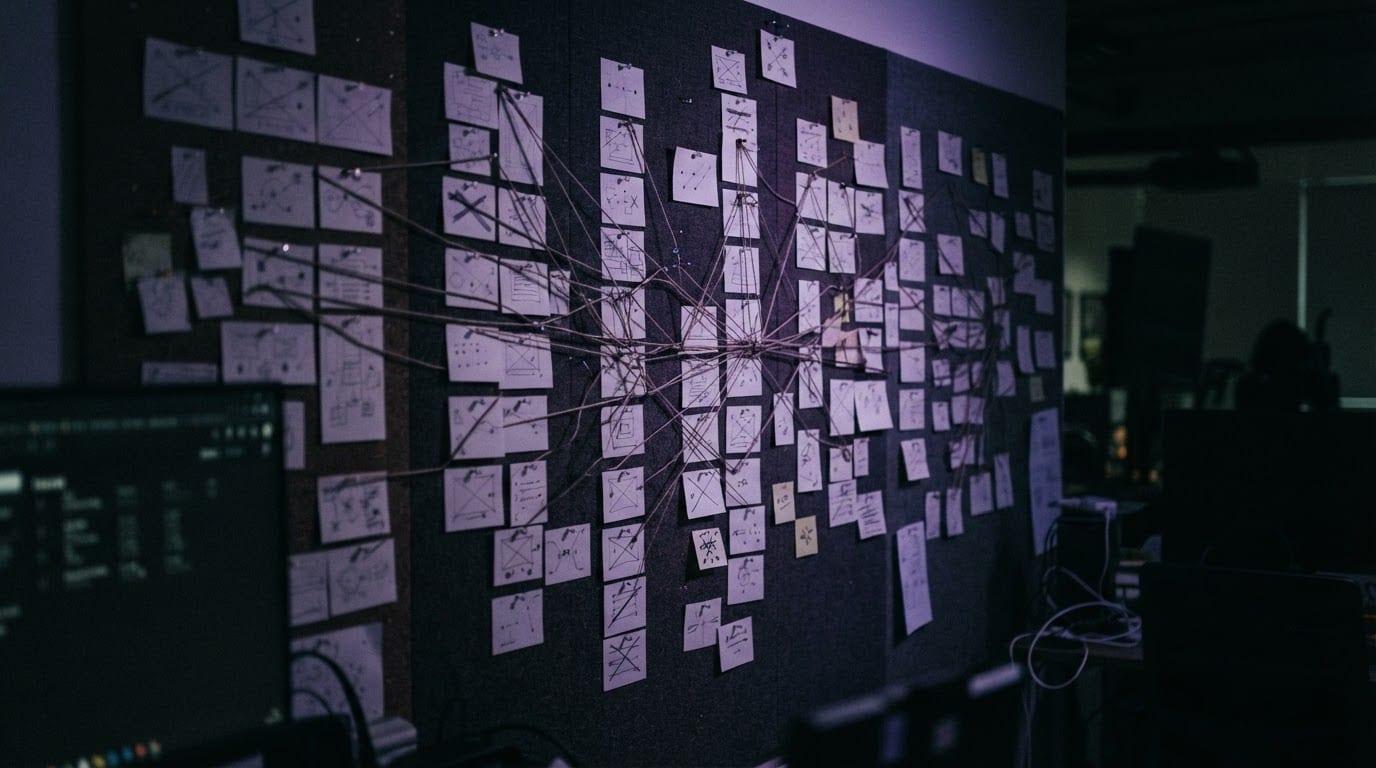
2. One setup, many shots
The most expensive thing in a shoot is not the equipment but the time it takes to change setups. While lights are re-rigged, sets are moved, and models get their makeup touched up, costs keep running. That’s why the shot list is ordered to get as much as possible out of each setup.
- Main shots — Shot in landscape, following the storyboard.
- Vertical shots — In the same setup, simply rotate the camera to portrait, or reshoot with enough room for a vertical crop.
- Hook shots — Separately capture close-ups and action shots that grab attention without context, for use in the first 3 seconds of an ad.
- Stills — Take photos between video takes under the same lighting. The consistent tone makes the video and photos look like one campaign.
- Behind the scenes — Making-of footage and on-set snapshots are often the best-performing content on a brand account.
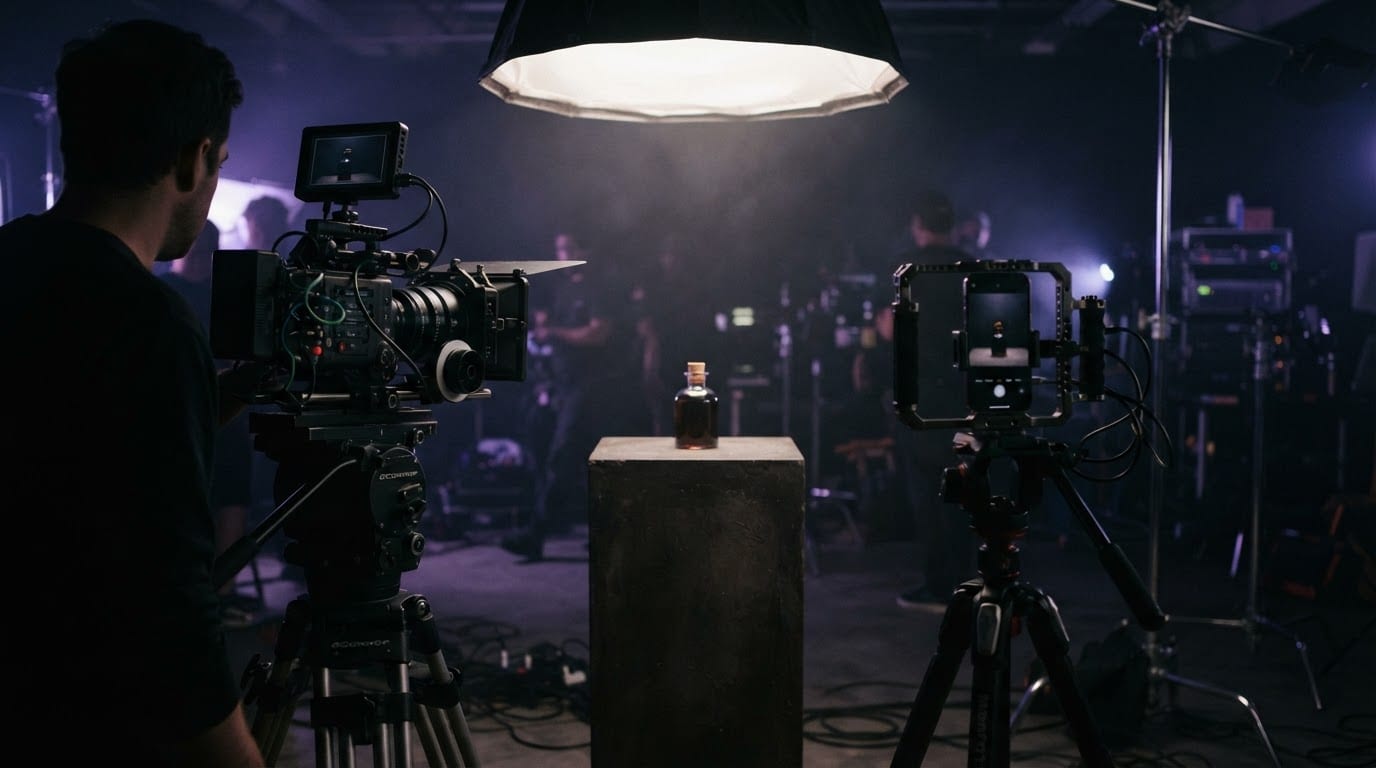
3. Creatives are not ‘one right answer’ but ‘multiple hypotheses’
In performance advertising, nobody knows which creative will work until it runs. That’s why ad creatives should be prepared not as one finished piece, but as multiple testable hypotheses.
- Same video, different first 3 seconds — opening on a product close-up vs. opening on a person’s reaction
- Same scene, different messages — emphasizing price and benefits vs. emotion and mood
- Same creative, different lengths — 6-second bumper · 15 seconds · 30 seconds
- Same copy, different formats — video vs. stills · slides
These hypotheses need to be set before the shoot so that every shot you need gets captured on set. Hypotheses that come up after the shoot usually can’t be tested because ‘we don’t have that shot.’
4. Performance data becomes the storyboard for the next shoot
Two to three weeks after an ad goes live, the data starts talking. Which hook kept people watching to the end, which scene made them drop off, and whether video or stills drove more clicks. It would be a waste for these results to end up only in a marketing report. They should carry straight over into the plan for the next shoot.
Shoot more of what the winning creatives had in common next time, and boldly cut the types that didn’t work. With each cycle of shooting and marketing, the same budget works harder.
Pre-shoot checklist
If you can answer all of the questions below in your next shoot planning meeting, you are ready to turn one shoot day into a month of content.
- Have the channels and timeframe for this shoot’s deliverables been decided?
- Have you mapped out the aspect ratios and quantities needed for each channel in a table?
- Are hook-shot candidates for the first 3 seconds of the ad on the shot list?
- Have you scheduled the shoot so video, vertical, and stills are captured in the same setup?
- Have you defined at least 2–3 creative hypotheses to test?
- Have you applied performance data from the last campaign to this plan?
At Studio AVIO, one team handles everything from planning, shooting, and post-production to channel management and ad campaigns. Because the people in the first meeting see it through to the final performance report, we are already thinking about distribution on set. If you’d like to plan your next shoot this way, feel free to get in touch.
If you'd like to plan everything from concept to distribution together, like in this post.
Start a Project