
On September 23, 2026 (US time), YouTube unveiled the announcements from its annual event, Made on YouTube 2026. A host of features spanning viewers, creators, live, and music were introduced at once, including a personalized feed, conversational search "Ask YouTube," an AI editing assistant for Shorts, and real-time auto-dubbing for live streams.
There's no need to memorize the whole list. What matters for brand marketers and production practitioners is the direction these features point to. We group this announcement into four streams: content planning, production, testing, and creator collaboration.
1. Shorts shift from "single videos" to "series"
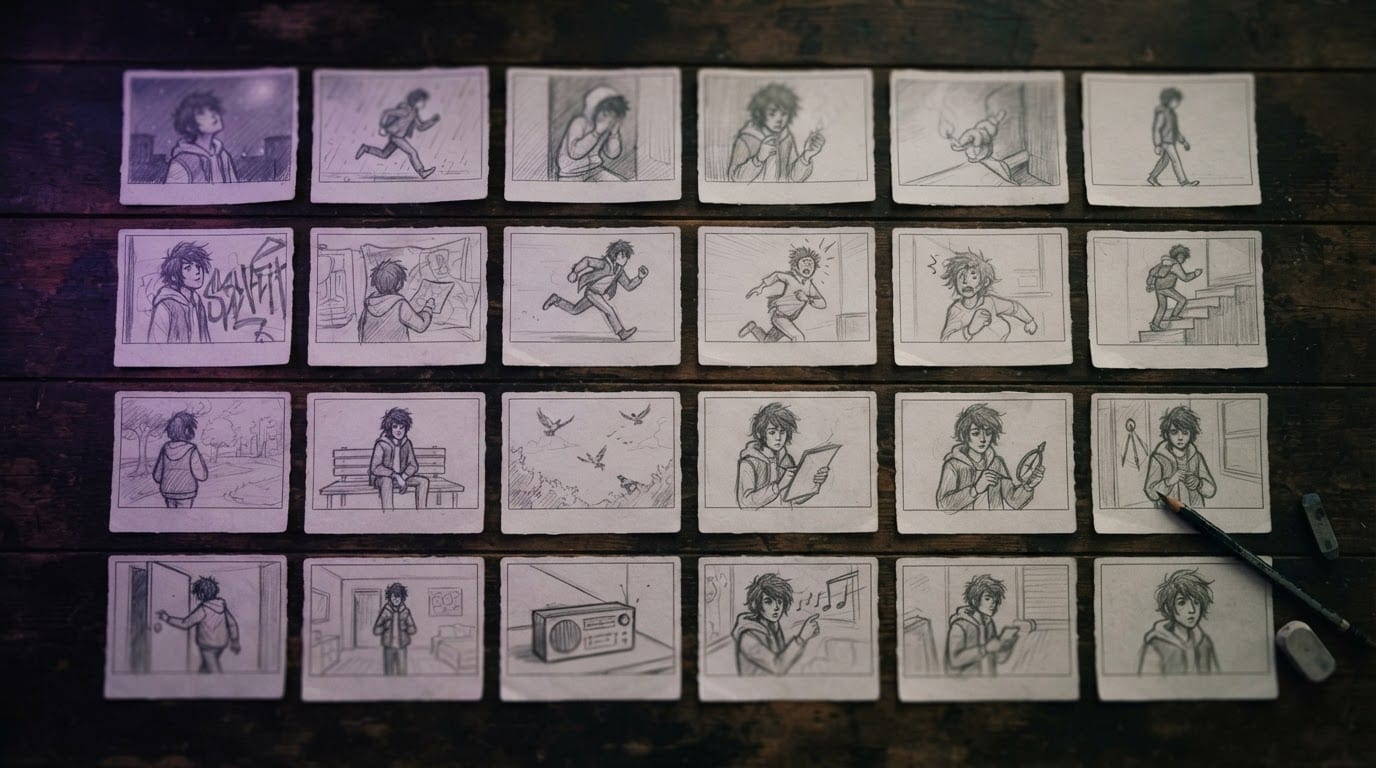
The feature in this announcement with the most direct impact on content planning is Shorts series. Creators can group Shorts into seasons and episodes, and viewers can watch them in sequence by series, even on TV. The feature targets serialized content and microdramas, which have grown in popularity recently.
Until now, each Short was closer to one-off content waiting for the algorithm to pick it up. With a series structure, designing content that makes people watch the next episode becomes important. For brands, rather than struggling to explain a single product in 15 seconds, planning a short 5–10 episode series that builds a world and characters becomes a realistic option.
- Plan by campaign — Instead of individual Shorts, first set the topic, number of episodes, and release cadence for a "Season 1."
- Leave each episode open-ended — Structure each episode so its final scene makes viewers curious about the next.
- Batch your shooting — Shooting several episodes back to back with the same people and location unifies the series' tone and lowers the production cost per episode.
2. Editing becomes a "conversation," and planning matters more
YouTube said it will add a conversational editing assistant based on Google's Gemini to the Shorts creation screen and the YouTube Create app. You select photos and videos and type in the direction you want, and it creates a draft; you can then request tasks such as trimming pauses between lines, arranging clip order and speed, and adding on-screen text through conversation.
As these tools spread, the time spent "cutting clips together" will shrink. What makes the difference instead is what source footage you shot and what direction you can give for refining it. If the footage is thin, there's nothing for AI to work with, and if the direction is vague, the result is something ordinary anyone could make.
The easier editing becomes, the more the outcome is decided by pre-shoot planning and the quality of footage captured on set. Even as tools change, people still have to decide what to say.
3. Even thumbnails and edits become subjects of "testing"
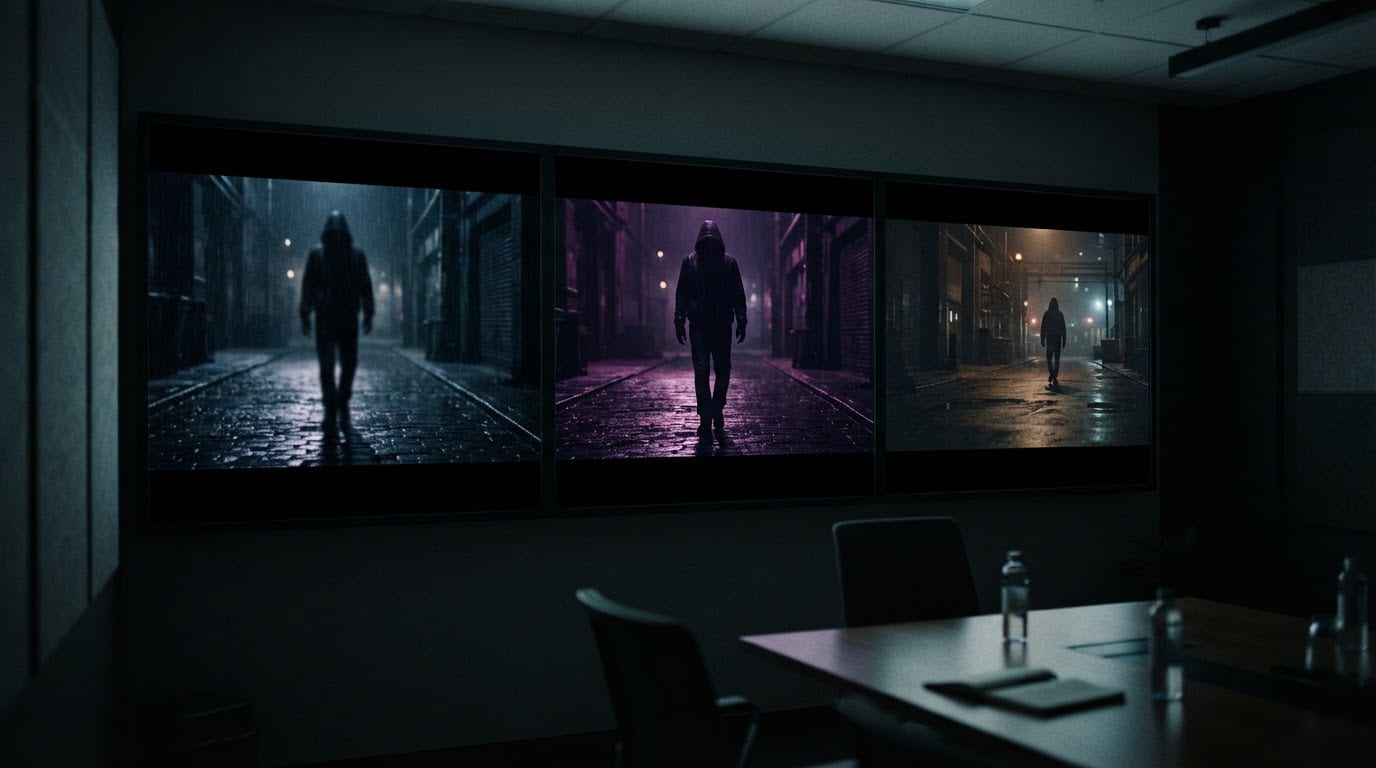
On the creator tools side, testing features stand out. A feature was previewed that lets you upload up to 3 thumbnails for a video, with YouTube showing the one best suited to each viewer, and another was introduced to A/B test different edits of the same video to compare which performs better.
A/B testing, already familiar for ad creative, is effectively expanding to regular content on brand channels. To use this feature properly, you need to prepare material for comparison from the shooting stage, for example by shooting separate stills for thumbnails and securing two or three options for the opening scene.
| Element to test | Hypotheses to compare (examples) | What to prepare at the shooting stage |
|---|---|---|
| Thumbnail | Product close-up vs. people's expressions | 2–3 dedicated thumbnail stills |
| Opening scene | Show the result first vs. open with a question | 2–3 opening cut options |
| Edit length · pace | Fast-cut editing vs. long single takes | Shoot long takes along with coverage |
4. Creator collaboration and commerce move inside the platform
There were also many announcements in brand collaboration. Ask Studio, an AI assistant for creators, was previewed as helping creators respond to brand briefs and draft proposals and media kits, and an affiliate campaign feature was introduced that lets brands and retailers offer incentives to creators who feature specific products. YouTube also announced plans to expand the YouTube Shopping affiliate program to 35 countries and markets by the end of the year.
The direction is clear: YouTube wants the whole process of finding creators, exchanging proposals, linking products, and checking performance to happen inside YouTube. On the viewer side, it also said viewers will be able to ask "Ask YouTube" about products while watching videos. For brands, this means more tools for designing creator collaborations not as "a number of impressions" but as a path that leads all the way to sales.
- Make the brief clear — When creators use AI tools to prepare their responses, a brief with a clear objective, key message, restrictions, and schedule draws out better proposals.
- Agree on performance metrics in advance — Before signing, decide which metrics to track beyond views, such as watch time, clicks, and sales.
- Define usage rights for the content — Agree from the start whether creator content will be reused on brand channels or as ad creative, and if so, for how long and in what scope.
YouTube also said it is testing the addition of voice detection to its likeness detection feature, which finds AI content that imitates a creator's face without permission. As AI production tools multiply, brands working with creators should also clearly specify the scope of use of likeness and voice in their contracts.
Key takeaways: checklist for your next YouTube campaign
- Is there room to plan Shorts by season and episode rather than as one-off content?
- Have you unified the people, location, and tone so that multiple episodes can be shot at once?
- Do you have enough source footage and a clear editing direction to hand off to AI editing tools?
- Have you secured 2–3 thumbnail options and opening scene options each?
- Does your creator collaboration brief include the objective, key message, performance metrics, and content usage rights?
- Have you confirmed that the new features you plan to use are currently available in Korea?
New platform features are ultimately a signal to make more, test more, and fix faster. Studio AVIO handles video and photo shoots, post-production, channel management, and ad campaigns in one team. If you'd like to design series-style Shorts or test creative together from the start, feel free to get in touch.
References
- YouTube Official Blog - Made On YouTube 2026
- Google Blog - Here’s what was announced at Made On YouTube 2026
- Social Media Today - YouTube presents new AI and engagement features at Made On 2026
- Net Influencer - YouTube Unveils AI Editing Tools, Custom Feeds, And Expanded Shopping At Made On YouTube 2026
- MediaNama - What’s new from Made on YouTube 2026?
If you'd like to plan everything from concept to distribution together, like in this post.
Start a Project